

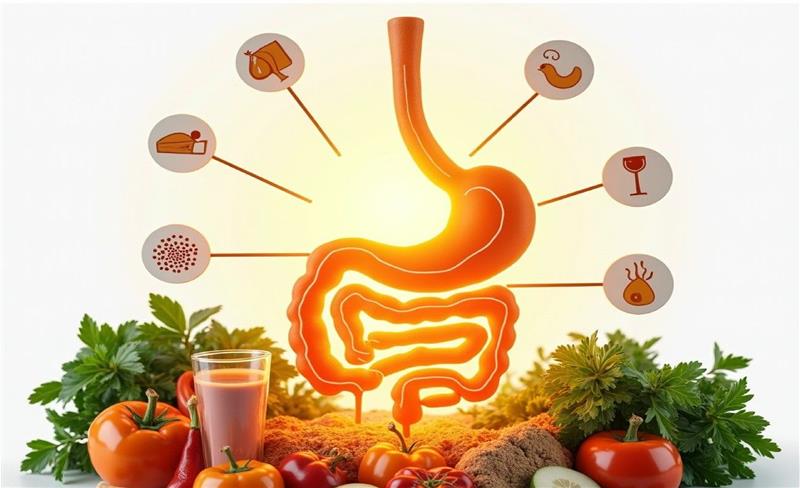
Many people try to gain weight by eating more calories or increasing protein intake. However, weight gain is not always about how much you eat. In many cases, the real issue lies in gut health and digestion.
When the digestive system does not absorb nutrients properly, the body may struggle to gain weight even with a balanced diet. This happens because the gut plays a major role in digestion, metabolism, and nutrient absorption.
Therefore, improving gut health can help the body use nutrients more efficiently and support healthy and sustainable weight gain.
Key Takeaways
- Gut health directly affects nutrient absorption and metabolism.
- Poor digestion can make weight gain difficult.
- A balanced gut microbiome supports better appetite and energy levels.
- Fiber-rich foods and probiotics help improve digestive health.
- Natural herbal support such as ayurvedic weight gainer products may complement a balanced diet.
Gut health affects weight gain because the digestive system controls nutrient absorption, metabolism, and appetite. When the gut microbiome is balanced, nutrients from food are absorbed effectively. However, poor gut health may reduce digestion and appetite, which can make weight gain more difficult.
What Is Gut Health?
Gut health refers to the balance of beneficial bacteria and microorganisms in the digestive system. This group of microorganisms is known as the gut microbiome.
These microorganisms help the body:
- Break down food properly
- Absorb essential nutrients
- Support immune function
- Maintain metabolism
- Regulate appetite
Because of these functions, maintaining a healthy gut microbiome is essential for overall health and proper body weight.
How Gut Health Influences Weight Gain

Gut health affects several biological processes that influence how the body manages weight.
1. Better Nutrient Absorption
The digestive system breaks down food and absorbs nutrients such as proteins, vitamins, and minerals.
However, when digestion is weak:
- Nutrient absorption decreases
- Energy levels become lower
- Muscle growth may slow down
As a result, improving gut health allows the body to utilize nutrients more efficiently.
2. Appetite Regulation
The gut communicates with the brain through hormones that regulate hunger and fullness.
Two important hormones include:
- Ghrelin – stimulates hunger
- Leptin – signals fullness
When the gut microbiome is balanced, these hormones work more effectively. Consequently, appetite becomes more stable.
3. Improved Metabolism
Gut bacteria also influence how the body converts food into energy.
A healthy gut microbiome supports:
- Balanced metabolism
- Efficient digestion
- Proper energy storage
Therefore, individuals with good digestive health often experience more stable and healthy weight gain.
4. Reduced Digestive Problems
Poor gut health can cause digestive discomfort such as:
- Bloating
- Gas
- Constipation
- Acid reflux
These issues may reduce appetite and make eating uncomfortable. However, when gut health improves, digestion typically becomes smoother.
Gut Health vs Weight Gain
| Gut Health Condition | Impact on Body Weight |
| Balanced gut microbiome | Better nutrient absorption |
| Healthy digestion | Improved appetite |
| Strong metabolism | Efficient energy use |
| Poor gut health | Difficulty gaining weight |
This relationship highlights why digestive health is important for maintaining a healthy body weight.
Signs That Gut Health May Be Affecting Your Weight

Certain symptoms may indicate that the digestive system is not functioning optimally.
Common signs include:
- Frequent bloating
- Weak digestion
- Low appetite
- Nutrient deficiencies
- Fatigue or low energy
- Difficulty gaining weight
If these symptoms occur regularly, improving gut health may help restore digestive balance.
Natural Ways to Improve Gut Health
Improving gut health often begins with simple dietary and lifestyle changes.
Eat Fiber-Rich Foods
Fiber helps nourish beneficial gut bacteria. Foods such as fruits, vegetables, legumes, and whole grains promote digestive balance.
Include Probiotic Foods
Probiotic foods introduce beneficial bacteria into the digestive system.
Examples include:
- Yogurt
- Buttermilk
- Kefir
- Fermented vegetables
These foods help maintain a healthy gut microbiome.
Maintain a Balanced Diet
Healthy weight gain requires proper nutrition. A balanced diet should include:
- Protein-rich foods
- Healthy fats
- Complex carbohydrates
- Essential vitamins and minerals
Balanced nutrition supports both digestion and energy production.
Consider Natural Herbal Support
Some individuals prefer natural supplements that support digestion and nutritional balance.
For example, herbal formulations such as herbal weight gainer powder or ayurvedic weight gain capsules are sometimes used alongside a balanced diet. Similarly, some individuals choose herbal weight gain capsules for additional nutritional support.
When selecting supplements, it is important to choose products that support both digestion and overall nutrition. Many people also look for the best ayurvedic weight gainer to complement their dietary routine.
Today, it is also convenient to buy ayurvedic weight gainer online, which makes herbal wellness products more accessible.
Ayurvedic Perspective on Gut Health
In Ayurveda, digestion is governed by Agni, which represents digestive strength.
When digestive fire is strong:
- Nutrients are absorbed effectively
- Appetite remains balanced
- Energy levels stay stable
However, weak digestion may lead to poor nutrient absorption and slow weight gain. Because of this, many Ayurvedic wellness practices focus on improving digestion along with nutrition.
Simple Habits That Support Gut Health

Small daily habits can make a significant difference in digestive health.
Follow these simple practices:
- Eat meals at consistent times
- Include probiotic foods regularly
- Drink sufficient water
- Limit highly processed foods
- Manage stress levels
- Maintain a balanced diet
Over time, these habits may help improve digestion and support healthier weight gain.
Conclusion
Gut health plays a crucial role in how the body digests food, absorbs nutrients, and regulates metabolism. When the digestive system works efficiently, the body can use nutrients effectively and maintain a healthy weight.
However, poor gut health may reduce nutrient absorption and appetite, making weight gain more difficult. Therefore, focusing on digestive health through balanced nutrition, probiotic foods, and healthy lifestyle habits can support natural and sustainable weight gain.
FAQs
Can poor gut health make it difficult to gain weight?
Yes. Poor gut health can reduce nutrient absorption and appetite. As a result, the body may struggle to gain weight even when calorie intake is sufficient.
How long does it take to improve gut health?
Gut health may begin improving within a few weeks when diet and lifestyle habits are improved. However, consistent healthy habits are important for long-term digestive balance.
What foods improve gut health?
Foods such as yogurt, fermented foods, fruits, vegetables, and whole grains support beneficial gut bacteria and promote digestive health.
Can probiotics help with weight gain?
Probiotics support digestion and nutrient absorption. Therefore, they may help support healthy weight gain when combined with proper nutrition.
Are herbal supplements helpful for weight gain?
Certain herbal formulations may support digestion and appetite. Products such as herbal weight gainer powder or ayurvedic weight gain capsules are often used alongside a balanced diet.